


2026
How Warehouse Location Decisions Affect Last Mile Delivery Costs
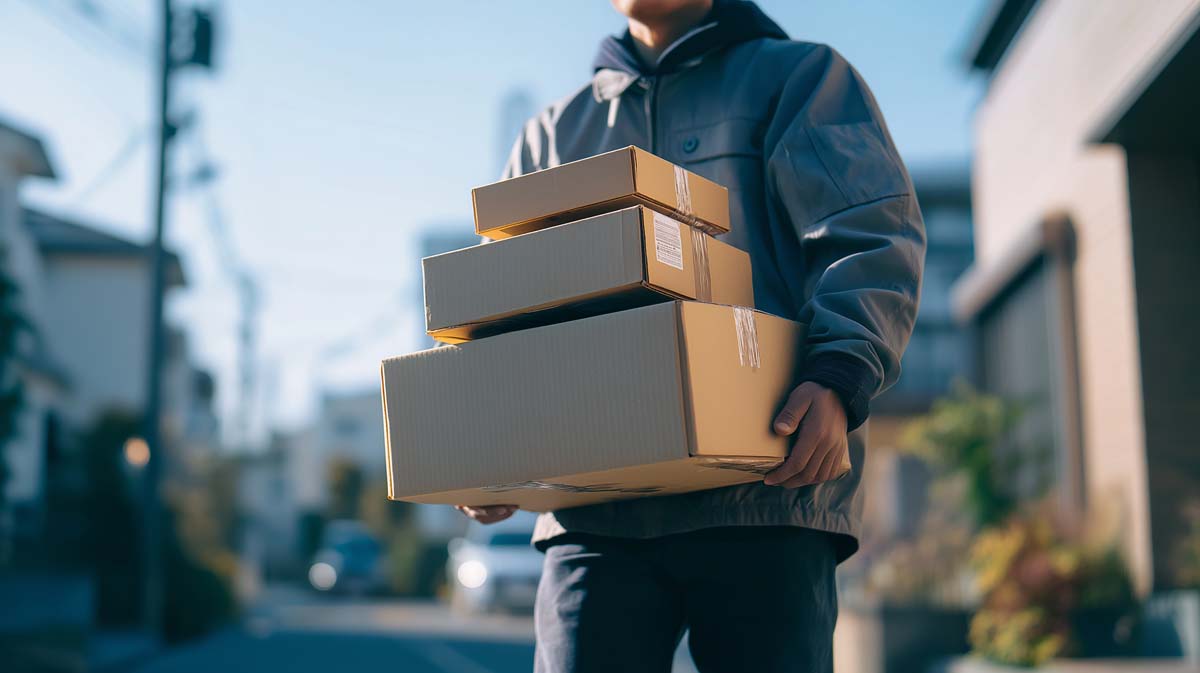
The final step of any supply chain, the last mile, is often the most expensive and complex. As e-commerce continues to boom, customer expectations for fast, free shipping are putting immense pressure on logistics operations. The key to controlling these soaring costs and meeting demand lies not in the delivery vehicle itself, but in a far more strategic decision: where you place your warehouse.
An optimally located warehouse can dramatically reduce the time and expense of last-mile delivery. By positioning inventory closer to the end customer, businesses can cut down on driver hours, fuel consumption, and the overall complexity of their delivery routes. This single decision is the foundation of an efficient, cost-effective, and customer-pleasing delivery network.
Reduce Stem Time and Fuel Consumption with Urban Warehousing
One of the biggest drains on last-mile delivery budgets is "stem time." This is the time a driver spends traveling from the distribution center to the first delivery stop in a specific neighborhood or zone. When a warehouse is located far from its primary customer base, drivers can spend hours just getting to the start of their route.
This is where urban warehousing makes a powerful difference. By utilizing smaller, more localized warehouses within or on the outskirts of major metropolitan areas, companies can slash stem time significantly. A driver might start their day just a few miles from their first delivery, rather than fifty.
This proximity has a direct impact on the bottom line. Reduced travel time means lower fuel consumption and decreased labor costs. It also allows for more deliveries to be completed in a single shift, increasing the overall efficiency of your local trucking fleet.
Improve Delivery Density and Route Optimization
A strategically located warehouse doesn’t just shorten the distance to the first stop; it improves the efficiency of the entire route. When a distribution center is close to a high concentration of customers, it creates greater delivery density. This means more stops can be completed within a smaller geographic area.
Higher delivery density makes route optimization far more effective. Instead of a driver crisscrossing a sprawling territory, their route becomes a tight, efficient loop. This reduces the miles driven between each stop, saving time and fuel.
Think of it this way: a warehouse on the edge of a city might serve a 50-mile radius containing 100 deliveries. An urban warehouse, however, might serve a 10-mile radius with the same number of deliveries. The second scenario is inherently more efficient and less costly to serve.
Enable Faster, More Flexible Delivery Options
Today’s customers don’t just want free shipping; they want it now. The location of your inventory is the single biggest factor in your ability to offer services like same-day or next-day delivery. A warehouse located hundreds of miles away simply cannot meet that expectation without incurring exorbitant air freight costs.
Placing inventory closer to your customers is the only practical way to make expedited delivery a reality. This is especially critical for e-commerce fulfillment, where delivery speed is a major competitive differentiator. A local warehouse can act as a fulfillment center that can pick, pack, and ship an order for delivery within hours.
This proximity also builds flexibility into your supply chain. It allows for later cut-off times for next-day delivery and makes it easier to manage returns, as customers can be closer to a drop-off or return processing point.
Leverage 3PL Networks for Strategic Placement Without the Capital Expense
For many businesses, the idea of setting up a network of urban warehouses sounds prohibitively expensive. The capital investment in real estate, staffing, and equipment can be a major barrier. This is where a partnership with a third-party logistics (3PL) provider becomes a strategic advantage.
An established 3PL warehousing provider already has a network of facilities in key locations. By partnering with them, you can gain access to this strategic footprint without the upfront investment. You can position your inventory in multiple markets, close to your customers, by leveraging their existing infrastructure.
This approach offers several benefits:
- Scalability: Easily scale your storage space up or down based on demand.
- Expertise: Rely on the 3PL’s experience in inventory management and order fulfillment.
- Cost Savings: Benefit from shared resources and economies of scale.
A 3PL partner can help you analyze your customer data and determine the optimal locations to store your products, creating a distributed warehousing model that is both effective and affordable.
A Smarter Location for a Leaner Last Mile
The costs associated with the last mile are a challenge that every business with a delivery component must face. While technology and route optimization software play a role, the most fundamental solution is a strategic one. The decision of where to store your products has a greater impact on your delivery costs than almost any other factor.
By moving inventory closer to the end customer—whether through your own facilities or a 3PL partner—you create a more efficient, responsive, and cost-effective supply chain. It is a strategic shift that reduces waste, improves service, and ultimately delivers a better experience for your customers and a healthier bottom line for your business.
Freight Xperts specializes in Vancouver 3PL warehouse services and trucking across North America. We specialize in Vancouver 3PL Warehousing services, full truckload and less than truckload services including dry van, temperature controlled, and flatbed, plus cross-border shipping.
Our goal is to provide the highest level of service in the most cost-effective manner possible for the warehousing and trucking of your products ranging from single pallets to full truck loads.