


2026
How Warehouses Work To Reduce Damage During Handling and Transport Of Products
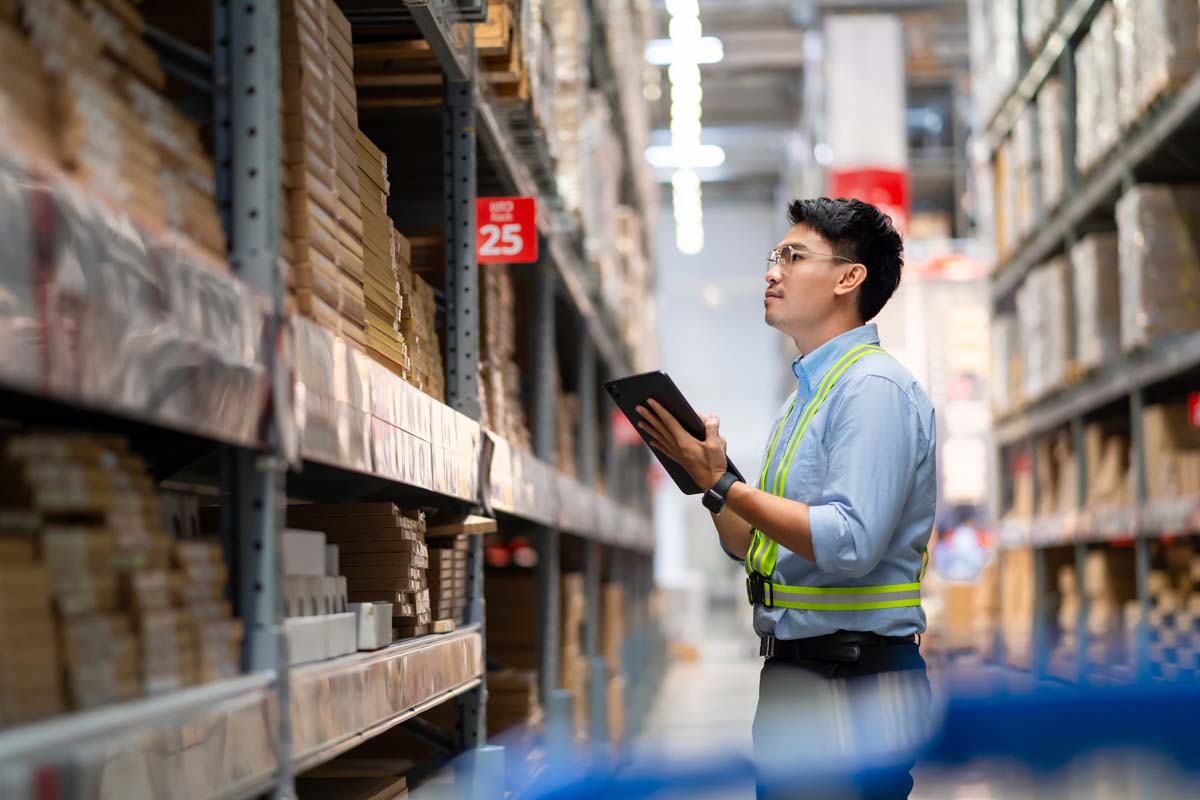
Modern logistics is a high-stakes game where the safety of a product is just as important as the speed of its delivery. When a customer receives a shattered vase or a dented appliance, the blame often falls on the final mile of transport, yet the true battle against damage begins much earlier.
The process of moving goods from a shipping container to a storage rack involves dozens of touchpoints, each presenting a unique risk. To mitigate these hazards, facilities focus on creating a controlled environment where every movement is intentional.
The Foundation of Safety Starts at the Dock
The moment a truck backs into a loading bay, the potential for damage spikes as goods transition between environments.
This is why sophisticated warehouses use specialized leveling equipment to ensure that forklifts can enter and exit trailers without jarring the cargo. This smooth transition prevents the "curb jump" effect, which is a leading cause of internal structural failure in fragile electronics.
Receiving teams are trained to inspect every pallet for signs of moisture or shifting that may have occurred during transit. If a bottom box is crushed due to poor stacking in the container, it must be addressed immediately before it enters the high-density racking system.
Identifying these vulnerabilities early prevents a domino effect where one weak package causes an entire shelf to lean or collapse.
Providing the Perfect Layout for Smooth Handling
A warehouse is more than just a big room with shelves; it is a meticulously mapped grid designed to minimize unnecessary travel. The more a product is moved, the higher the statistical probability of an accident occurring.
By placing high-velocity items near the shipping docks and utilizing wide aisles, facilities reduce the "traffic jams" that lead to forklift scrapes and corner collisions.
To keep items secure during their stationary time, warehouses implement several structural safeguards:
- Impact-resistant rack guards that deflect forklift strikes away from the main support beams.
- Heavy-duty wire decking that provides a flat, stable surface for oddly shaped pallets.
- Climate control systems that prevent cardboard boxes from softening in high humidity.
- High-lumen LED lighting that eliminates shadows, helping operators see potential hazards clearly.
Once the layout is optimized, the focus shifts to the physical handling of the products themselves. Even the best racking system cannot save a poorly wrapped pallet from the forces of gravity and inertia during a sharp turn.
Mastering the Science of Palletization
The pallet is the fundamental unit of global trade, but it is often the most misunderstood tool in the warehouse.
Reducing damage requires more than just piling boxes on wood, it requires a calculated approach to weight and balance. Heavy items must always form the base to lower the center of gravity, while lighter, more delicate items sit on top to avoid being crushed.
Technicians use various methods to "lock" the load to the pallet, ensuring it moves as a single cohesive unit rather than a collection of loose parts. This is vital because a single shifting box can create an imbalance that causes a forklift to tip or a stack to slide off a high shelf.
Utilizing Tools That Give Inventory a Soft Touch
Manual labor is being replaced or augmented by specialized tools designed to handle products with a degree of gentleness that human hands cannot always maintain. Vacuum lifters and articulated arms allow workers to move heavy or bulky items without the risk of dropping them.
Beyond the heavy machinery, the small details in packing materials make a massive difference in the survival rate of a shipment. Warehouses choose specific "dunnage" or padding based on the fragility and weight of the item.
Here is how different materials work to absorb shock and prevent movement:
- Air pillows create a pressurized buffer that prevents items from rattling inside a box.
- Corrugated inserts add vertical strength to boxes, allowing them to be stacked higher without buckling.
- Custom-molded foam cradles the product, distributing pressure evenly across its entire surface.
- Anti-static wraps protect sensitive circuitry from the invisible threat of electrical discharge.
After the internal packing is complete, the exterior must be secured for the most dangerous part of the journey. This is where high-performance stretch wrap becomes the hero of the warehouse floor.
Training the Human Element of Logistics
Technology and materials are only as effective as the people who use them. High-performing warehouses invest heavily in safety culture, teaching staff to recognize the "near misses" that could lead to future damage. Operators are taught to listen for the sound of shifting goods and to feel for the subtle vibrations that indicate a load is unstable.
Communication is the final piece of the puzzle in damage reduction. When a team member identifies a recurring issue, such as a specific box size that always seems to tear, that information is fed back to the packaging designers. This loop of continuous improvement creates a proactive environment where damage is treated as an avoidable mistake rather than an inevitable cost of doing business.
Ensuring a Flawless Handover to the Road
The final stage of the warehouse's responsibility is the loading process, where the pallet leaves the stable floor and enters the vibrating, swaying world of a truck trailer. Load bars and straps are used to "deck" the trailer, creating a second floor that prevents pallets from being stacked directly on top of each other. This prevents the weight of the rear cargo from crushing the items at the front during sudden stops.
By the time the truck pulls away from the dock, the warehouse has already done 90 percent of the work required to ensure a safe arrival. The product is properly cushioned, the pallet is structurally sound, and the load is secured against the laws of physics.
This dedication to detail is what separates a standard storage facility from a true partner in the supply chain.
Freight Xperts specializes in Vancouver 3PL warehouse services and trucking across North America. We specialize in Vancouver 3PL Warehousing services, full truckload and less than truckload services including dry van, temperature controlled, and flatbed, plus cross-border shipping.
Our goal is to provide the highest level of service in the most cost-effective manner possible for the warehousing and trucking of your products ranging from single pallets to full truck loads.